

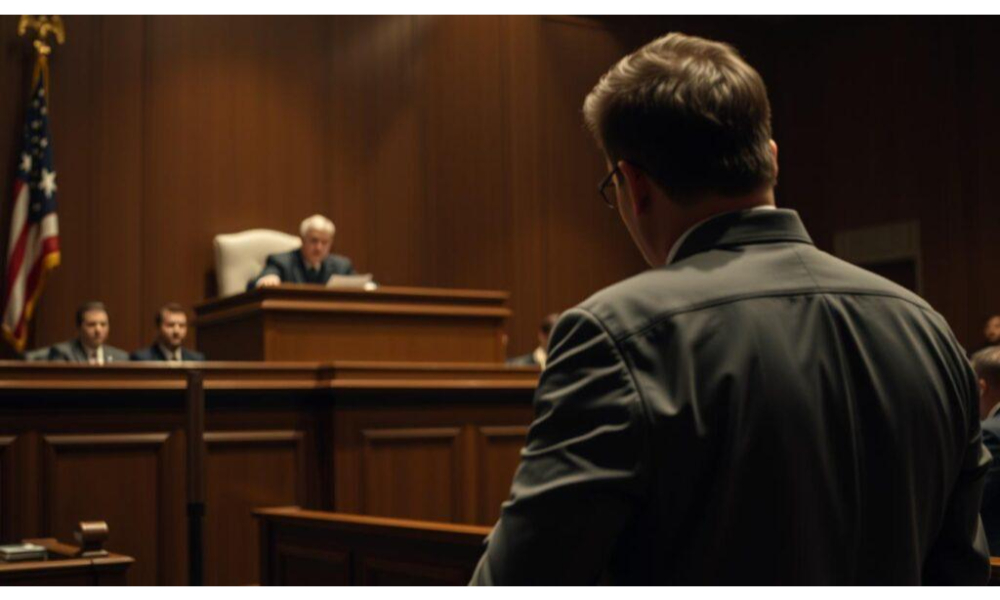
Courtrooms are often portrayed as arenas where justice is blind and the Constitution is king. In reality, the balance of power is far more complex. At the center of this tension is prosecutorial power, which has grown significantly in scope and influence. This article looks at three key areas where prosecutors wield authority discretion, control of discovery, and sentencing leverage and discusses how strong defense advocacy helps protect constitutional rights.
The Weight of Prosecutorial Discretion
One of the biggest sources of power for prosecutors is prosecutorial discretion. This is the authority prosecutors have to decide:
- Whether to file charges at all
- What charges to file
- Whether to offer plea agreements
In the United States, more than 90 percent of criminal cases are resolved through plea bargaining rather than trials. This means prosecutors can often shape outcomes without ever going before a jury. The discretion to choose charges and plea offers gives prosecutors control over the direction of a case right from the start—making the guidance of experienced dui lawyers critical when navigating negotiations and protecting defendants’ rights.
Consider this real-world example. A prosecutor might choose to charge a defendant with a less severe offense to secure a quick guilty plea, even if stronger evidence exists for more serious charges. Conversely, they might threaten to pursue maximum penalties if the defense does not cooperate with a plea deal. In both scenarios, the defendant’s choices are heavily influenced by prosecutorial judgment.
Discovery Control and Its Impact
Another area where prosecutors hold significant power is discovery control the process of sharing evidence with the defense. In theory, discovery rules are designed to ensure both sides see all relevant evidence. In practice, prosecutors often control what information is shared and when.
The most famous example of this is the Brady rule, which requires prosecutors to disclose evidence favorable to the defense. In practice, however, enforcement can be inconsistent and difficult to monitor.
When evidence that could help a defendant is delayed or withheld, the defense’s ability to mount an effective challenge is undermined. This imbalance can make it harder for defendants—especially those without resources or experience to challenge the state’s case.
Sentencing Leverage and the Power to Influence Outcomes
Prosecutors also exert significant leverage over sentencing. By choosing which offenses to charge, they set the parameters for potential penalties. In systems with mandatory minimum sentences, the choice of charges can determine whether a judge has any real sentencing discretion at all.
In many jurisdictions, judges cannot go below a mandatory minimum once a prosecutor brings certain charges. That means it isn’t the judge but the prosecutor who shapes the likely sentence before trial or plea negotiations even start.
This leverage has broad implications:
- It pushes more defendants toward plea deals
- It increases incarceration rates
- It shifts real decision-making away from judges and juries
- It amplifies disparities, especially for marginalized communities
Research has shown that prosecutorial discretion can contribute to unequal treatment under the law. One study highlighted how prosecutors’ charging decisions can lead to racial disparities in detention and sentencing.
The Defense Role in Balancing Constitutional Rights
With the Constitution guaranteeing due process and equal protection, the role of defense advocacy is vital. Defense attorneys are the frontline defenders of constitutional rights. Here are some ways they help restore balance:
- Challenging Overbroad Charges
Defense lawyers can file motions to dismiss charges that are overly broad or unsupported by evidence. This forces prosecutors to justify their decisions in front of a judge. - Forcing Compliance with Discovery Rules
Effective defense counsel knows how to push for timely and complete discovery. This levels the playing field by ensuring exculpatory evidence is reviewed before major decisions are made. - Negotiating from a Position of Knowledge
A strong defense attorney understands how to counter prosecutorial leverage in plea negotiations. They can use legal and factual weaknesses in the prosecutor’s case to negotiate better outcomes for clients.
Actionable Advice for Defendants
If you or someone you know is navigating the criminal justice system:
- Secure experienced defense counsel early. Early intervention increases your ability to influence key decisions.
- Document all interactions. Keeping detailed notes helps preserve issues for later motions or appeals.
- Understand plea options deeply. Don’t rush into pleas without knowing long-term consequences.
Even in non-criminal contexts, strong legal advocacy matters. For example, in family law and civil disputes, expert attorneys help clients understand their rights and options while protecting those rights under the law. Firms like Lishman Law provide dedicated advocacy in complex legal matters such as custody, divorce, and protective orders, and working with a trusted San Antonio Child Relocation Lawyer can ensure that sensitive relocation cases are handled with care and expertise, demonstrating how skilled representation can make a real difference in outcomes.
Final Thoughts
The balance of power in courtrooms today is far from simple. Prosecutors hold considerable influence through discretion, discovery control, and sentencing leverage. Yet the Constitution remains the guiding document designed to ensure fairness and equal treatment under the law. public defenders and other strong defense advocates are essential to preserving that balance, pushing back against unchecked authority, and safeguarding the rights every person is owed.
