

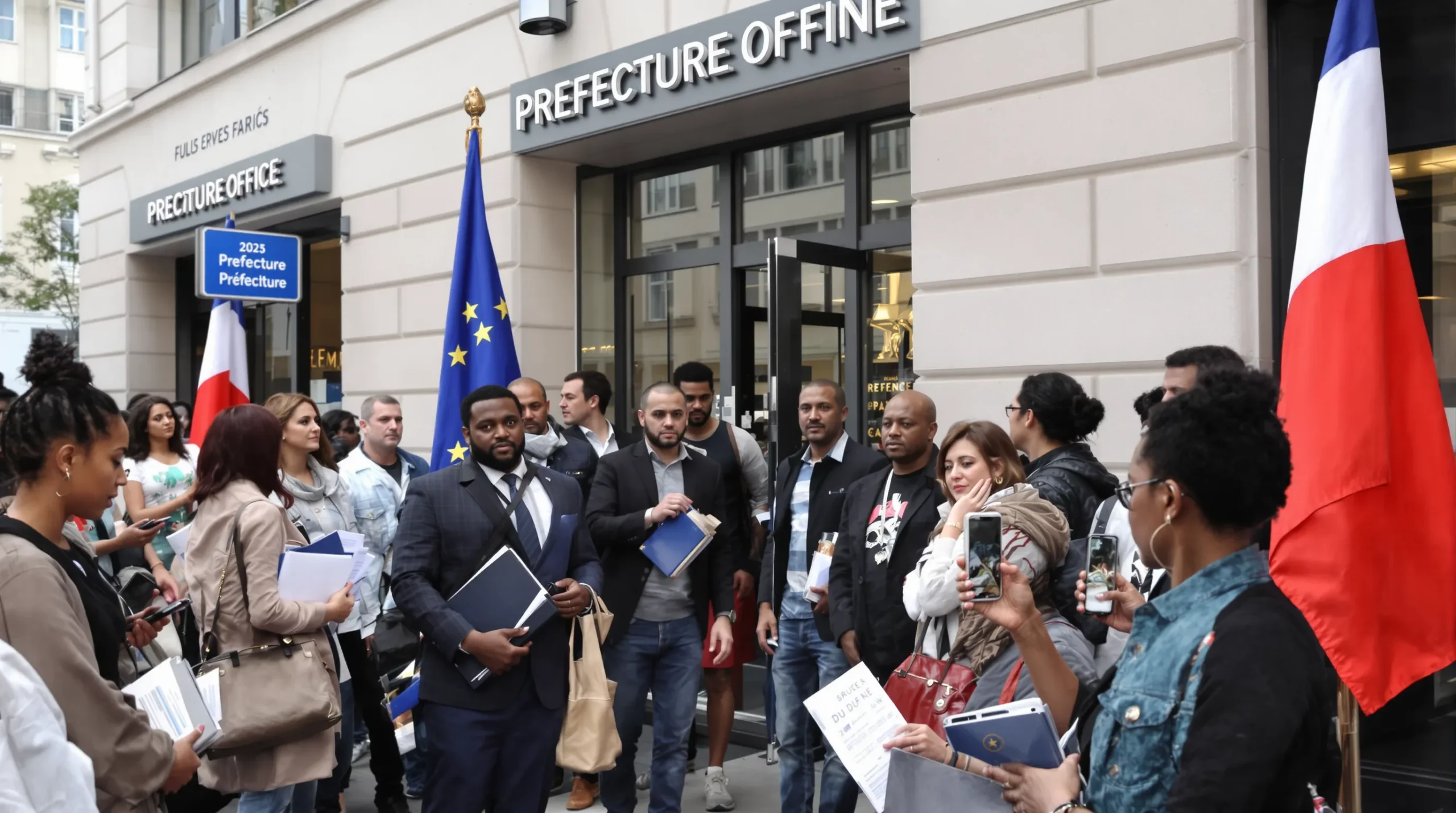
French immigration law can feel dense and layered. Now many foreign nationals seek stability through lawful entry. The process demands patience but also careful planning. So early knowledge prevents costly mistakes during applications. Sometimes rules change with new political priorities. The legal system values order and clear documentation. Expats often arrive with strong hopes for professional growth and cultural integration across vibrant regions. But unfamiliar terms and procedures create anxiety for newcomers. The guide explains key themes with clarity. Readers gain direction before engaging formal channels.
Understanding Visa Categories
The visa framework shapes every migration pathway. Applicants must match purpose with correct permit. Short stay visas serve tourism or brief business visits. But long stay visas support employment or family residence. Sometimes authorities request proof of housing before approval. Financial evidence shows capacity for independent living. The administration reviews employment contracts and academic records with careful scrutiny to confirm genuine intent. Now digital portals simplify early filing stages. Errors still delay decisions and disrupt travel plans. Legal advisors recommend organized document files. Preparation reduces uncertainty during consulate interviews.
Residence Permits and Legal Status
Residence permits govern daily life after arrival. Compliance protects long term stability. Each permit carries defined rights and limits. But renewal rules demand strict attention to deadlines. Sometimes prefectures require updated employment confirmation. Health coverage also supports lawful residence. The system expects accurate declarations about address and civil status to maintain transparent public records. Now biometric cards improve identity verification. Holders must report material changes quickly. Administrative silence rarely signals approval. Professional counsel including advokater utlendingsrett may clarify obligations when interpretation becomes difficult. Early guidance often prevents procedural setbacks.
Employment Rules and Workplace Integration
Employment law intersects closely with immigration control. Employers verify authorization before hiring foreign professionals. Work permits often connect directly to residence categories. But sector shortages can influence approval outcomes. Sometimes language skills affect workplace mobility. Equal treatment remains a central legal principle. The labor code protects wages and safety while encouraging integration within diverse organizational cultures. Now many firms sponsor talent from abroad. Contracts must reflect lawful salary thresholds. Authorities monitor compliance through inspections. Ethical hiring supports national economic goals. Transparent communication builds trust between employer and migrant professional.
Family Reunification and Social Rights
Family unity holds strong value within French policy. So eligible residents may request reunification pathways. Sponsors must demonstrate adequate income and housing. But processing periods test emotional resilience. Sometimes background checks extend review timelines. Children gain access to education soon after arrival. Public institutions support integration through language programs and community orientation initiatives that promote social participation. Now local networks ease cultural adjustment. Social rights expand gradually with stable residence. Respect for civic duties strengthens belonging.
Conclusion
French immigration law presents complexity yet remains navigable with informed strategy. Now clarity empowers foreign nationals to act confidently. Each stage rewards preparation and disciplined follow through. But uncertainty fades when reliable information guides decisions. Sometimes professional insight resolves ambiguous requirements. Respect for procedures fosters constructive relationships with authorities. The journey requires effort yet promises meaningful opportunity within a dynamic society that values lawful contribution and cultural exchange.
